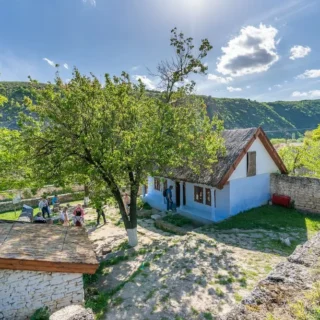
Chișinău, the capital of the Republic of Moldova, is often called the “white city” due to its buildings made of white limestone — a local material that gives the city a distinctive brightness and aesthetic. The first documented mention dates back to 1436, when it was a small monastic settlement on the banks of the Bâc River. Since then, Chișinău has gradually evolved into an important urban center shaped by diverse historical influences: the medieval Moldavian period, the influence of the Ottoman Empire, Tsarist administration, and later the Soviet era.
This rich historical heritage has resulted in an eclectic city where interwar villas blend with monumental Soviet architecture, while modern buildings complete the urban landscape. Today, Chișinău is a vibrant cultural hub, home to museums, theaters, galleries, and a thriving artistic scene. The region is also renowned for its winemaking traditions, authentic cuisine, and local hospitality, making the city an ideal starting point for exploring Moldova as a whole.
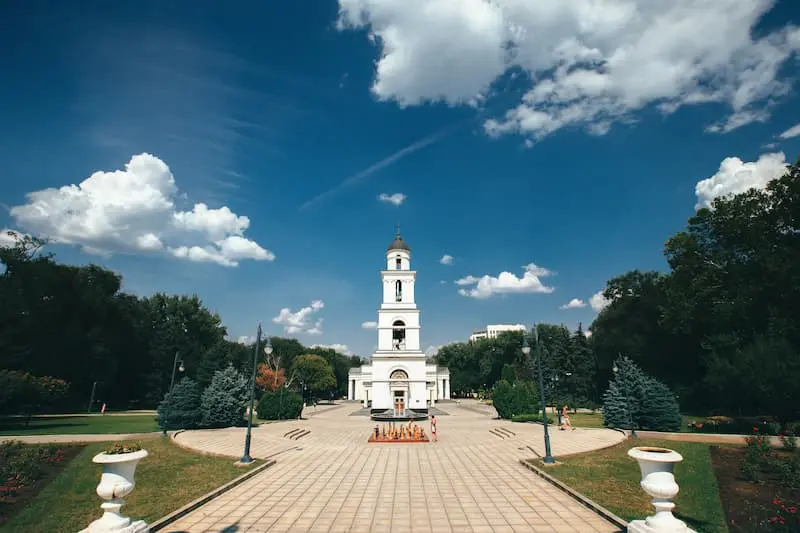
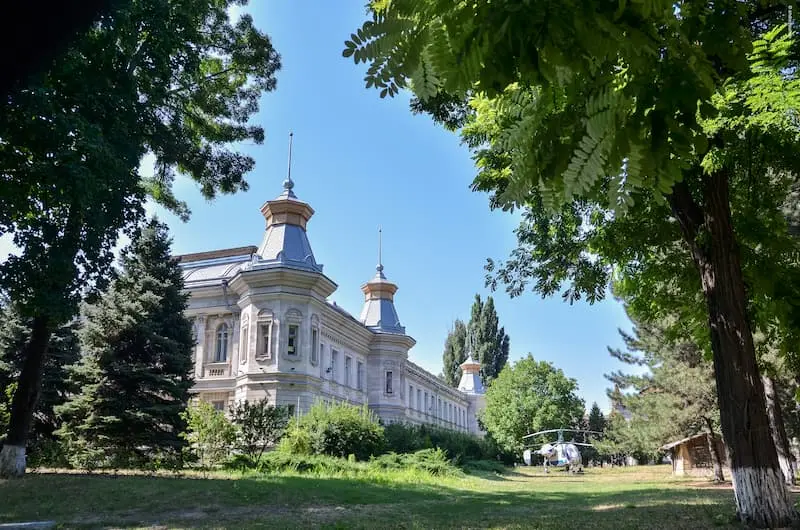
The sector’s name comes from the Horticultural School established in 1842 and the city’s first dendrological park, originally called the “English Garden,” or, as locals referred to it, the “Botanical Garden.” It is a green area with many recreational spaces and educational institutions.
Named after the former village of Ciocana Noua, which became part of the Chișinău district in 1959. Today, Ciocana combines modern residential neighborhoods with historic parts of the city.
This sector takes its name from the Râşcanu family, wealthy landowners who once had estates in the area. Râșcani features a mix of residential neighborhoods and commercial zones, with well-developed infrastructure.
Its name originates from the old post office with an inn and tavern, where travelers would rest and change horses. The area still retains a historic charm, with some traditional buildings and cultural interest points.
Bender, a city located on the Dniester River, boasts a rich historical background, with its 16th-century
Tighina, a small town near the Dniester River, is known for its historical fortifications.
Transnistria is a narrow strip of land along the Dniester River.
Top Destination
Information
Follow Us
Payment channels