HomeShop

Soroca

Soroca is a charming town located on the Dniester River.

  • Language: Romanian
  • Currency: Lei
  • Religion: Christianity
  • Timezone: GMT+3

Historical & Cultural Background

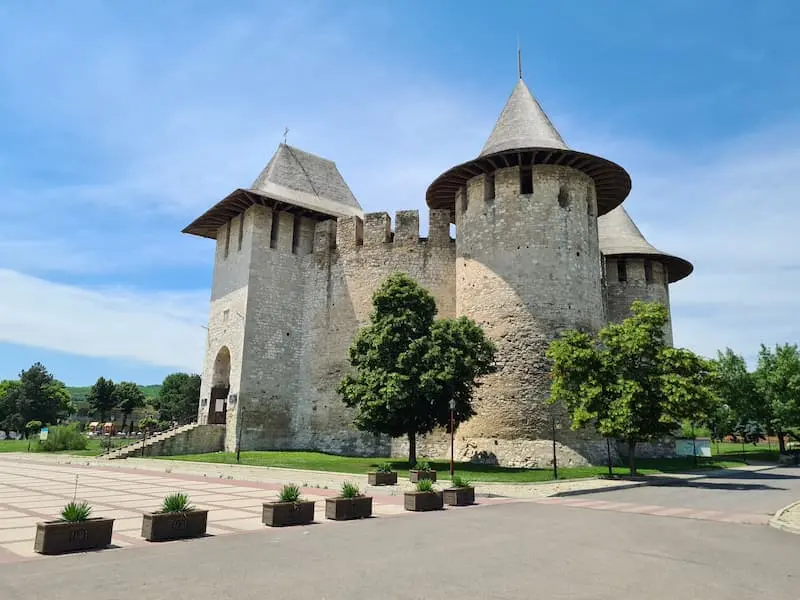
Soroca is a picturesque town located on the right bank of the Dniester River, boasting a rich and diverse history. Initially built of wood by the Moldavian ruler Stephen the Great in 1499 and later rebuilt in stone by Petru Rareș in the 16th century, the impressive Soroca Fortress remains the city’s defining landmark. The first documented mention of Soroca dates back to 1499, when the local governor (pârcălab) Coste was recorded as the administrator of the newly constructed fortress. Over the centuries, Soroca developed into an important military and commercial outpost of medieval Moldavia. Its multicultural character—shaped by Moldovans, Russians, Ukrainians, Jews, and Roma communities—is still visible today in the city’s architecture, traditions, and everyday life. One of Soroca’s most striking features is the Roma Hill, a district known for its lavish mansions built by the local Roma community. These unique constructions, often compared to palaces, attract international visitors fascinated by their extravagant architecture and the strong contrasts they create within the urban landscape.

What to Visit in Soroca

Parks & Recreation Areas
Soroca offers several pleasant green spaces, such as Ion and Doina Aldea-Teodorovici Park, located near the Palace of Culture, and Mihai Eminescu Park, where the romantic Lovers’ Alley was inaugurated in 2018, featuring wrought-iron benches, a bridge, and a gazebo. On the outskirts of the city lies the natural reserve Râpa lui Bechir, a protected geological site with dramatic slopes overlooking the Dniester River. Walks along the riverbank provide beautiful views of Soroca Fortress and the surrounding rural landscapes.
The most important cultural institution in the city is the Nicolae Bulat Museum of History and Ethnography, well known for its exhibitions dedicated to local traditions and everyday life. Recently renovated (2022–2023), the museum now includes new exhibition spaces focused on medieval Soroca and regional ethnography. Visitors can also explore a small museum inside Soroca Fortress, which recreates historical aspects of frontier life. Another architectural highlight is the Zemstvo House, an early 20th-century building from the Tsarist period, recognizable by its sculpted façade and decorative towers.
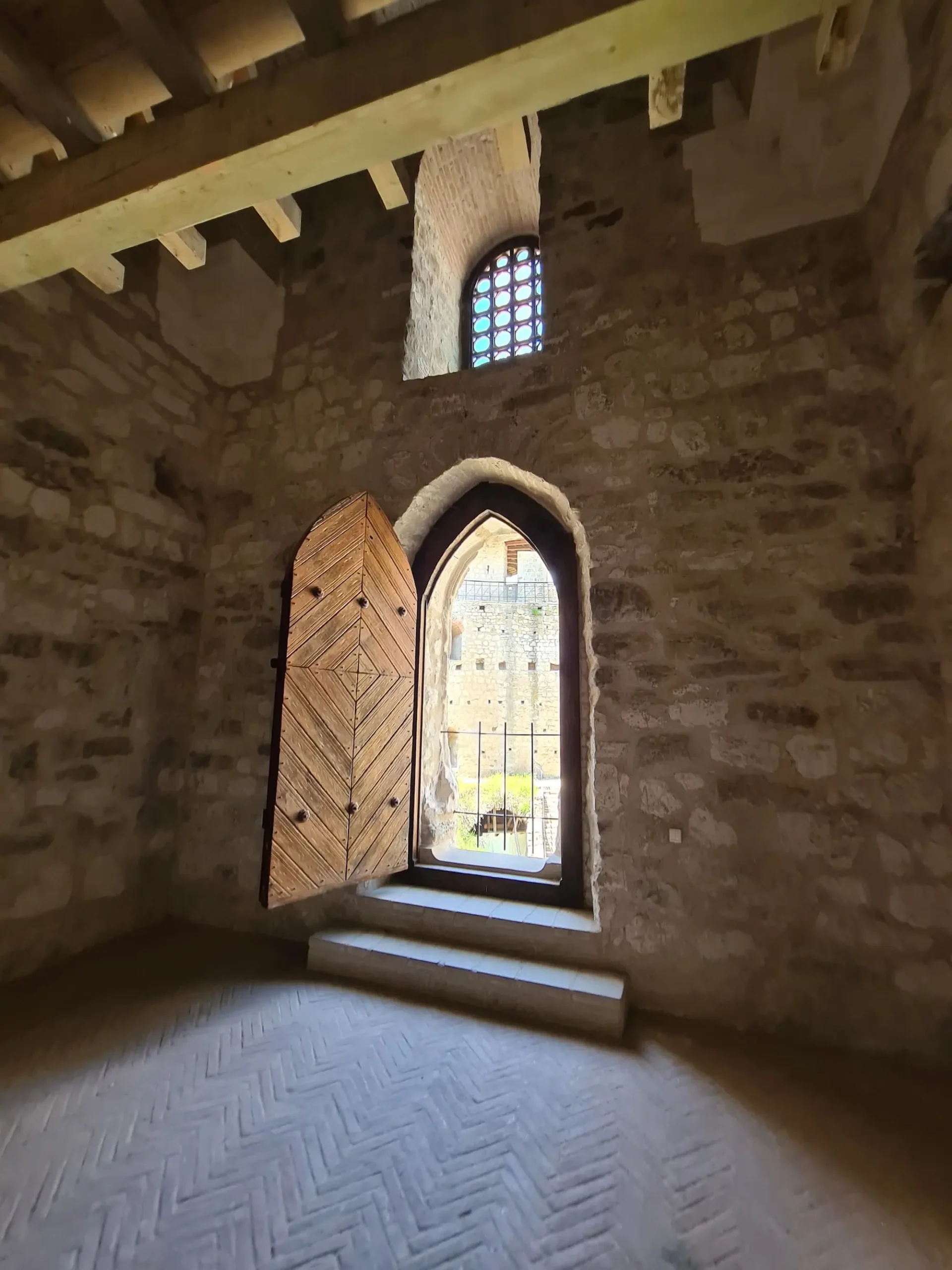
The city’s emblem is the Medieval Soroca Fortress, a unique circular fortification with five defensive towers, recently restored with European funding. In the city center and in the Bujorăuca district, visitors will find the statue of Stephen the Great (erected in 1927), as well as several war memorials, including one dedicated to Soviet soldiers who fell during World War II. Another noteworthy site is the Lumânarea Recunoștinței (“Candle of Gratitude”), a modern monument located on a hill overlooking the city. From here, visitors can enjoy panoramic views of Soroca and the Dniester River.
Soroca is home to several remarkable religious buildings. The St. Dumitru Church (1814–1827), located in Bujorăuca, is the oldest Orthodox church in the city. Nearby stands the Cathedral of the Dormition of the Virgin Mary (1840–1842). Other important religious landmarks include the St. Stratulat Church (1914–1916) and the wooden Church of the Holy Martyr Brâncoveanu Saints, built in the Maramureș architectural style along the riverbank. These places of worship are appreciated for their frescoes, icons, and peaceful atmosphere.

Must Know & Facts

1

Roma Hill

Soroca’s Roma Hill is one of the most unique urban areas in Eastern Europe. Instead of traditional dwellings, the local Roma community has built impressive palace-like houses, featuring ornate facades, metal gates, and stone walls. Some residences even replicate famous landmarks such as the Bolshoi Theatre, St. Peter’s Basilica, or the U.S. Capitol. This neighborhood has become a major attraction for foreign tourists, intrigued by its bold architecture and the cultural traditions preserved by the community. Locals often offer palm reading or tarot readings, keeping ancient customs alive.

2

Local Festivals

Soroca hosts several authentic cultural events throughout the year. The most popular is the National Apple Festival, held every autumn near the fortress. The festival brings together apple producers, folk artisans, and local authorities, celebrating regional traditions, agriculture, and craftsmanship. Another notable event is “The Silver Brass Band Festival”, organized annually since 1989, during which brass bands from across Moldova perform and parade in Liberty Square.

4

Other Interesting Facts

The southern part of the city, known as Soroca Nouă, developed during the Soviet era around the hydroelectric power station on the Dniester River. Meanwhile, the historic district of Bujorăuca preserves the charm of the 19th century, with traditional houses and historic churches. Soroca was once famous for its mineral springs, and traditional crafts such as embroidery, weaving, and pottery are still practiced today. Folk music remains an essential part of local life, frequently performed at festivals and cultural events, reflecting the vibrant spirit of northern Moldova.

Tours & Experiences

No tours were found matching your selection.

Top Destination for your next vacation

Bender

Bender, a city located on the Dniester River, boasts a rich historical background, with its 16th-century

See all tours

Chisinau

Chisinau, the vibrant capital of Moldova, blends Soviet architecture with green parks and a lively café culture.

See all tours

Tighina

Tighina, a small town near the Dniester River, is known for its historical fortifications.

See all tours

Transnistria

Transnistria is a narrow strip of land along the Dniester River.

See all tours