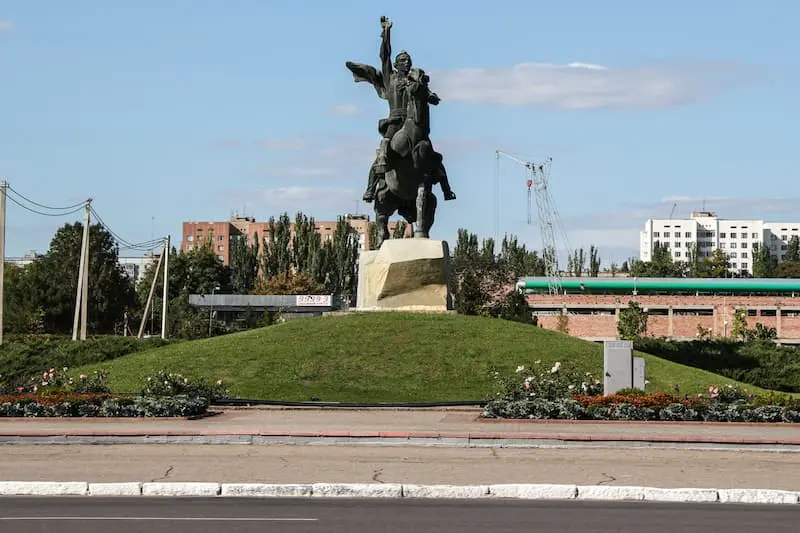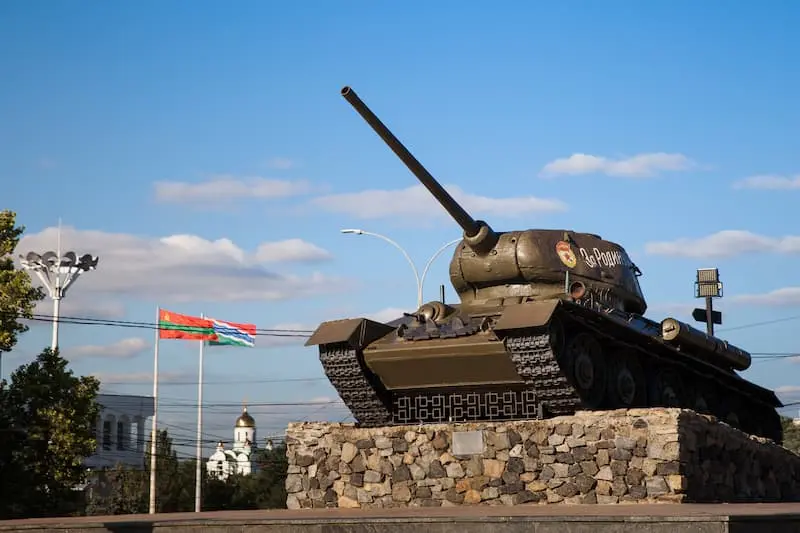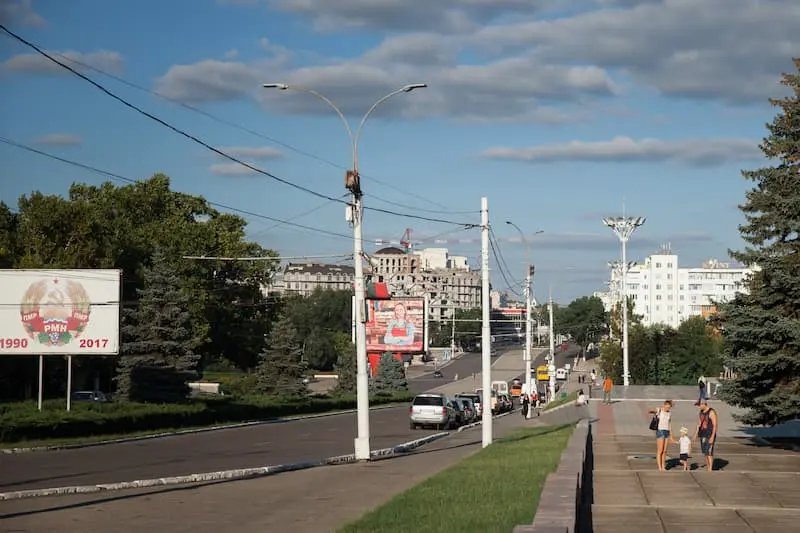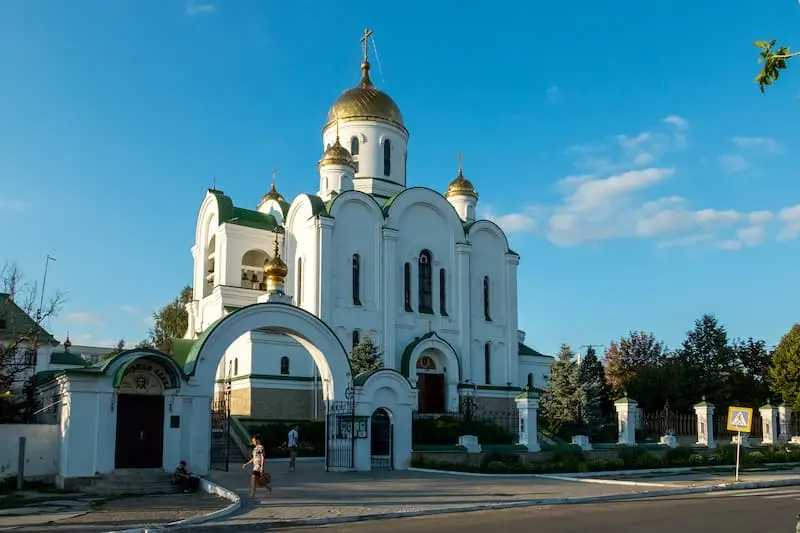
Transnistria/Pridnestrovia, officially known as the Left Bank of the Dniester, is a region located in the eastern part of the Republic of Moldova, along the Dniester River. Although internationally recognized as part of Moldova, Transnistria has functioned de facto as a separate entity since 1992, following the armed conflict on the Dniester.
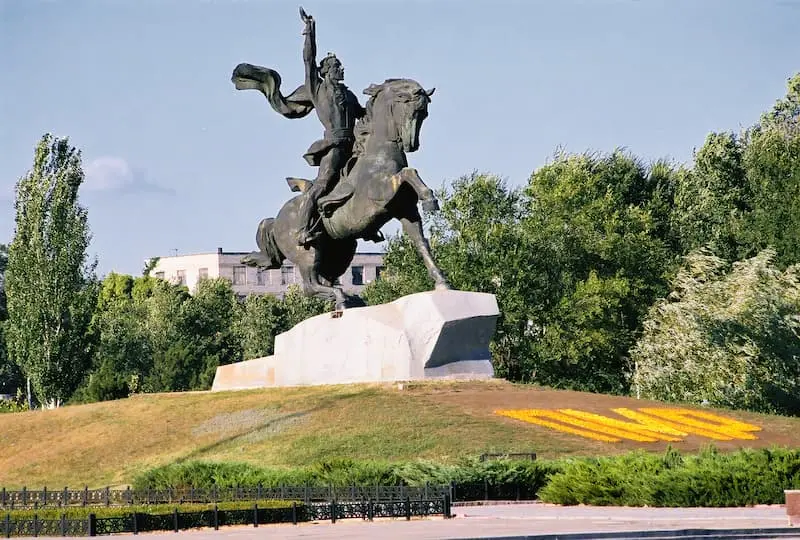
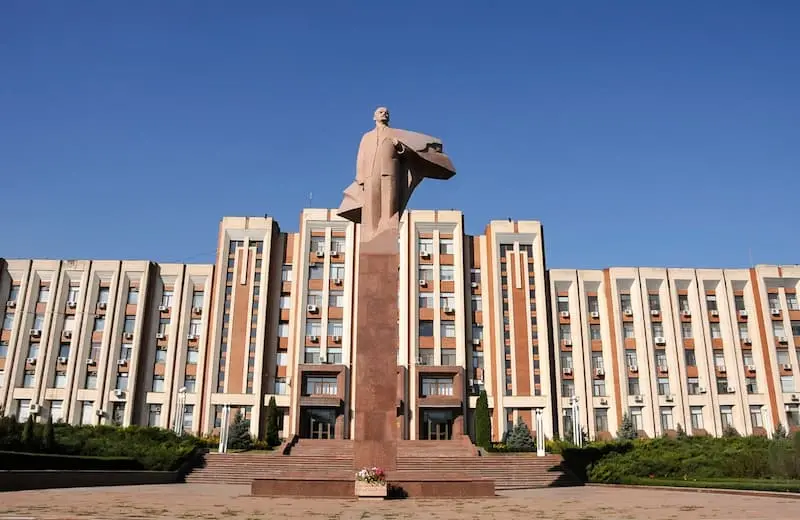
Historically, the region has been strongly shaped by the Soviet period. Intensive industrialization, the presence of the military, and policies of Russification contributed to the formation of a distinct identity compared to the rest of the country. Even today, Soviet symbols—Lenin statues, Soviet flags, and socialist-style architecture—remain an integral part of the urban landscape.
From a cultural perspective, Transnistria is an ethnic mosaic, home to Russians, Ukrainians, and Moldovans. The official languages are Russian, Ukrainian, and Moldovan (written in the Cyrillic alphabet). Cultural life is marked by Soviet-era traditions, local celebrations, and a strong Eastern European influence.
(0 reviews)
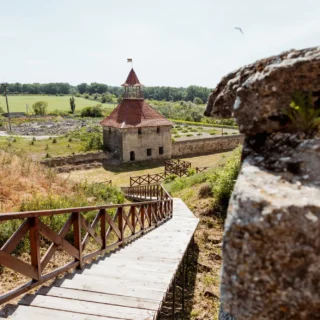
Bender, a city located on the Dniester River, boasts a rich historical background, with its 16th-century
Chisinau, the vibrant capital of Moldova, blends Soviet architecture with green parks and a lively café culture.
Tighina, a small town near the Dniester River, is known for its historical fortifications.
Top Destination
Information
Follow Us
Payment channels